That “squeaky clean” feeling is a deceptive sign of damage, indicating that your cleanser has stripped the skin’s protective acid mantle and disrupted its entire microbial ecosystem.
- Harsh cleansers raise the skin’s pH, creating an environment where harmful bacteria thrive and cause breakouts.
- This process destroys essential lipids (ceramides) and compromises the skin’s ability to retain moisture, leading to inflammation and sensitivity.
Recommendation: Stop seeking a “squeaky” sensation and focus on using gentle, pH-balanced cleansers to protect and rebuild your skin’s natural defense system.
For years, many of us have been conditioned to believe that a “squeaky clean” feeling after washing our face is the ultimate sign of cleanliness. That tight, almost grippy sensation feels like we’ve successfully removed every trace of dirt, oil, and makeup. But as a dermatologist specializing in the skin’s barrier, I’m here to tell you that this feeling is not a goal to aspire to; it’s a distress signal. It’s the sound of your skin’s most critical defense system, its delicate ecosystem, beginning to collapse.
Most conventional advice focuses on avoiding specific ingredients like sulfates or simply using a “gentle” cleanser. While this is a start, it misses the fundamental issue. The problem isn’t just about dryness; it’s a cascade of damage that begins with the disruption of your skin’s natural pH. This imbalance compromises your lipid matrix and decimates your skin’s protective microbiome, creating an open invitation for sensitivity, inflammation, and even acne.
But what if the key wasn’t just avoiding harshness, but actively nurturing this invisible ecosystem? The true path to healthy, resilient skin lies in understanding and respecting its biological needs. It’s about shifting your mindset from scrubbing your skin into submission to protecting its sophisticated natural defenses. This guide will deconstruct the damage caused by the “squeaky clean” myth and provide a clear, science-backed roadmap to rebuild and restore your skin’s barrier function for long-term health.
In this article, we will explore the precise mechanisms behind this damage and outline a protective strategy for true skin health. The following sections break down everything you need to know to repair your skin and prevent future harm.
Summary: Restoring Your Skin’s Protective Barrier
- Why Does Disrupted pH Lead to Bacterial Breakouts?
- Ceramides or Hyaluronic Acid: Which Is Essential for Barrier Repair?
- The Cleansing Mistake That Strips Natural Oils Twice a Day
- How to Heal a Damaged Barrier in Less Than 2 Weeks?
- When to Reintroduce Retinol After a Barrier Crisis?
- The “Squeaky Clean” Feeling Mistake That Destroys Your Microbiome
- The “Daily Scrub” Mistake That Causes Chronic Inflammation
- Hyaluronic Acid vs Glycerin: Which Humectant Holds Moisture Best in Dry Climates?
Why Does Disrupted pH Lead to Bacterial Breakouts?
Your skin’s surface is naturally acidic, maintaining a pH of around 4.7 to 5.75. This acidic environment, known as the acid mantle, is a fundamental part of your skin’s defense system. It functions as a protective shield, inhibiting the growth of harmful pathogens while allowing beneficial microorganisms to flourish. When you use an alkaline cleanser—the kind that often produces that “squeaky clean” feeling—you neutralize this acidity, temporarily raising your skin’s pH. This seemingly small change has profound consequences.
An alkaline environment is the preferred breeding ground for pathogenic bacteria, particularly Propionibacterium acnes (now known as C. acnes) and Staphylococcus aureus. When the acid mantle is compromised, these bacteria can proliferate unchecked, leading to inflammation and breakouts. In fact, specific research demonstrates a 68.1% increase in S. aureus cell death per unit decrease in pH, proving how critical acidity is for keeping harmful bacteria at bay. This is why you might notice more breakouts or irritation after switching to a harsh cleanser, even if it makes your skin feel “cleaner.”
A recent 2024 clinical study confirmed this relationship, finding that skincare products formulated to maintain a pH of 5.5 were crucial for preserving the diversity of the skin’s microbiome. In contrast, alkaline products were shown to disrupt this delicate balance, creating an environment where opportunistic pathogens could take over. The key takeaway is that maintaining your skin’s natural acidity is not just about comfort; it’s a non-negotiable requirement for preventing bacterial overgrowth and keeping your skin clear and healthy.
Ceramides or Hyaluronic Acid: Which Is Essential for Barrier Repair?
When the skin barrier is damaged, a common reaction is to drench it in hydrating ingredients. The two most popular are ceramides and hyaluronic acid, but they play fundamentally different—though equally important—roles in barrier repair. Thinking one can replace the other is a common mistake. The key is understanding their unique functions: one rebuilds the structure, while the other provides the hydration.
Ceramides are lipids (fats) that are the primary structural component of your skin barrier. Think of your skin cells as bricks; ceramides are the “mortar” that holds them together, creating a cohesive, protective wall. This wall prevents water from escaping (a process called Transepidermal Water Loss, or TEWL) and blocks irritants and pathogens from entering. When your barrier is damaged, it’s because this mortar has crumbled. Therefore, replenishing ceramides is absolutely essential for physically rebuilding the barrier’s structure. Clinical research has even established that a specific 3:1:1 ratio of ceramides to cholesterol to fatty acids is optimal for accelerating barrier recovery.

Hyaluronic Acid (HA), on the other hand, is a humectant. Its job is not to rebuild the structure but to draw moisture into the skin, holding up to 1,000 times its weight in water. It acts like a super-sponge, plumping up the skin and keeping it hydrated. While this is crucial for skin health and function, applying HA to a severely compromised barrier without the “mortar” of ceramides is like watering a garden with a leaky hose. The moisture can’t be held effectively and may even evaporate, potentially leaving the skin drier. For true repair, you need both: ceramides to rebuild the wall and hyaluronic acid to keep the environment hydrated.
The Cleansing Mistake That Strips Natural Oils Twice a Day
The most common and repeated assault on the skin barrier happens during our daily cleansing routine. While the choice of cleanser is important, another critical factor is often overlooked: water temperature. Many people enjoy the feeling of a hot, steamy face wash, believing it helps “open pores” and deep clean the skin. In reality, this habit is one of the most effective ways to strip your skin of its essential, protective lipids.
Your skin’s lipid matrix is composed of a delicate balance of ceramides, cholesterol, and fatty acids. These oils are not dirt; they are the natural emollients that keep your skin soft, supple, and protected. Hot water acts like a solvent on these lipids, melting them away far more aggressively than lukewarm or cool water. In fact, dermatologists confirm that water temperature above 37°C (98.6°F) strips protective lipids much more rapidly. When you do this twice a day, every day, you are systematically dismantling your skin barrier, leaving it vulnerable to dehydration and irritation.
This daily stripping action forces your skin into a constant state of emergency repair. It can lead to a vicious cycle of rebound oil production in some, and chronic dryness and tightness in others. To protect your barrier, a simple yet powerful change is to turn down the temperature. Cleansing should be a gentle process, not a stripping one.
To ensure your cleansing routine is supportive, not destructive, follow these fundamental steps:
- Use lukewarm water, never hot (aim for below 37°C/98.6°F).
- Choose pH-balanced cleansers that are free from harsh sulfates and drying alcohols.
- Limit the cleansing process to a maximum of 30-60 seconds.
- Gently pat your skin dry with a clean towel—never rub aggressively.
- Apply your first hydrating step or moisturizer within 60 seconds while your skin is still damp to lock in moisture.
How to Heal a Damaged Barrier in Less Than 2 Weeks?
When your skin barrier is in crisis—feeling tight, red, stinging, and reactive—the most effective strategy is often the simplest: a “skin fast.” This doesn’t mean using nothing at all, but rather stripping your routine back to the bare essentials to give your skin the space and support it needs to heal itself. The goal is to eliminate all potential irritants and focus solely on cleansing, moisturizing, and protecting. With a disciplined approach, significant improvements can be seen in as little as two weeks.
Case Study: The 14-Day Barrier Reset Protocol
A clinical approach documented by Dr. Sam Bunting involved placing patients with reactive, compromised skin on a strict 14-day “skin fast.” The protocol was minimalist, using only three types of products: a gentle pH 5.5 cleanser, a rich moisturizer packed with ceramides, and a mineral-based sunscreen for daytime. All active ingredients, including exfoliants and retinoids, were completely stopped. By the third week, patients showed significant, measurable improvements in barrier function, including normalized transepidermal water loss (TEWL) and a marked reduction in sensitivity and redness.
Beyond a minimalist routine, you can create an optimal healing environment. One of the most effective yet overlooked tools is a humidifier. Much of your skin’s moisture loss occurs overnight while you sleep. Sleeping with a humidifier in your room increases the ambient moisture in the air, which can significantly reduce this nocturnal water loss. In fact, some studies show that sleeping with a humidifier can lead to an up to 25% reduction in TEWL. This simple environmental change supports your skin’s healing process, allowing your topical products to work more effectively.
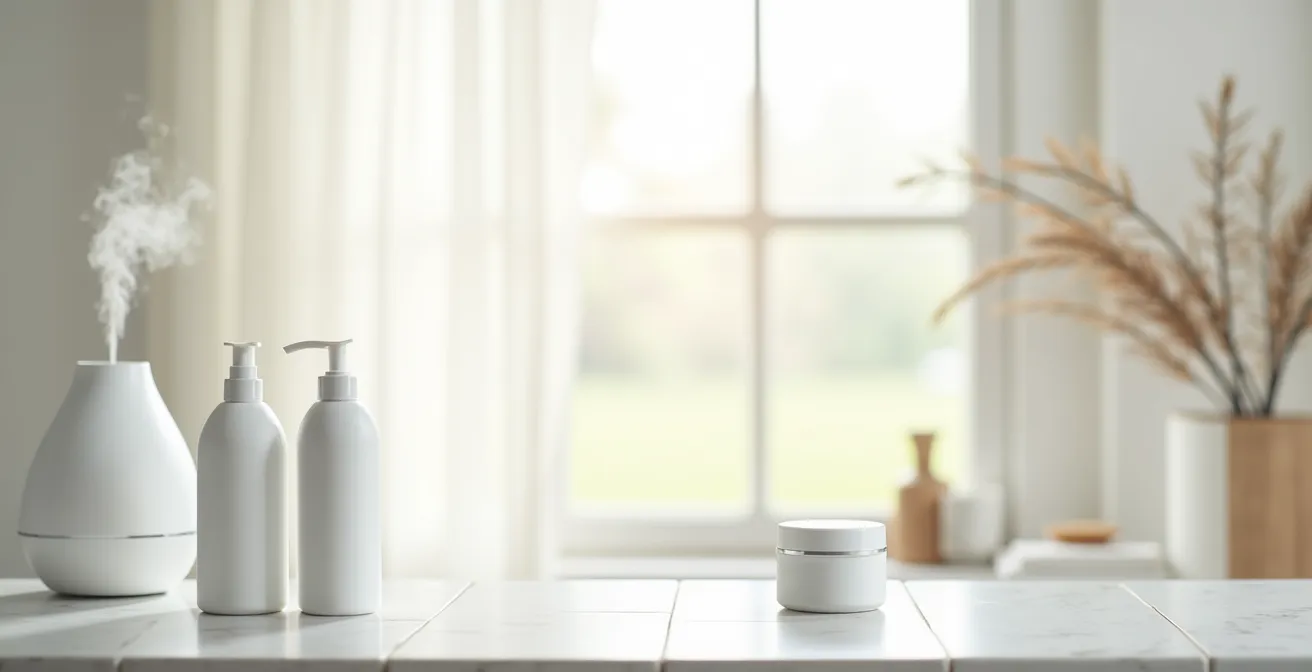
Patience is paramount during this healing phase. You are not just applying products; you are giving your skin’s own biological processes the chance to rebuild the damaged lipid matrix and restore balance. Resisting the temptation to introduce new products or actives is the most critical part of the process.
When to Reintroduce Retinol After a Barrier Crisis?
After diligently healing your skin barrier, the thought of reintroducing powerful active ingredients like retinol can be daunting. Retinol is a cornerstone of modern dermatology for its proven anti-aging and anti-acne benefits, but it is also notoriously irritating, especially on skin that has recently been compromised. The timing and method of reintroduction are critical to avoid triggering another barrier crisis. The cardinal rule is: do not rush. Your barrier must be fully and consistently healed before you even consider it.
Before reintroducing any potent active, you need to be certain your barrier’s function has been restored. This isn’t just about feeling better for a day or two; it’s about sustained resilience. You should be able to answer “yes” to all the points on a self-assessment checklist for at least one full week. This confirms that your skin is no longer in a fragile, reactive state. As dermatologist Dr. Piliang wisely advises, patience is key. In a discussion with the Cleveland Clinic, she notes, “It can be frustrating because you want to see the effects of your treatments immediately, but remember that it took a long time for your skin to get to this point.”
Your Barrier Health Checklist: 5 Signs Your Skin Is Ready
- No Sensation of Tightness: Your skin feels comfortable and supple for at least 7 consecutive days after cleansing, with no pulling sensation.
- Visible Redness Has Subsided: Any baseline redness, blotchiness, or signs of inflammation have returned to your normal skin tone.
- No Stinging on Application: Applying your basic, gentle moisturizer no longer causes any stinging or burning sensations.
- Texture Is Smooth: Rough patches, dry flakes, and any unusual texture have completely resolved, and your skin feels smooth to the touch.
- Oil Production Has Normalized: Your skin has returned to its normal state, without excessive dryness or a sudden overproduction of oil.
Once you’ve met these criteria, start low and go slow. Begin with a low-concentration retinoid (e.g., 0.25% retinol) just one or two nights a week. Buffer it by applying moisturizer first, then the retinoid, and another layer of moisturizer on top (the “sandwich method”). If your skin remains calm, you can slowly increase the frequency over several weeks before ever considering a higher concentration. Listen to your skin above all else.
The “Squeaky Clean” Feeling Mistake That Destroys Your Microbiome
The “squeaky clean” feeling is the direct result of stripping away your skin’s natural oils, or sebum. But this process does far more than just cause dryness; it triggers a catastrophic event for your skin’s microbiome. This complex community of trillions of microorganisms living on your skin’s surface is your first line of defense, and its health is intrinsically linked to the skin’s acidic pH. When you use a harsh, alkaline cleanser, you create what scientists call a “biodiversity collapse.”
Your healthy acid mantle supports beneficial bacteria like S. epidermidis, which actively helps keep pathogenic bacteria in check. A fascinating mechanism for this is the production of natural antimicrobial peptides. For instance, the antimicrobial peptide dermcidin shows a 90% bactericidal effect at a healthy pH of 5.5, but its effectiveness drops to just 60% at a slightly higher pH of 6.5. By raising the skin’s pH, harsh cleansers effectively disarm your skin’s natural protectors.
This creates an ecological vacuum. With the beneficial bacteria decimated, opportunistic pathogens that thrive in an alkaline environment, like C. acnes, can rapidly multiply and colonize the skin. A groundbreaking 2024 study highlighted how this happens, explaining that by wiping out beneficial bacteria, high-pH cleansers remove the natural checks and balances that keep the skin’s ecosystem stable, allowing harmful bacteria to proliferate unchecked. This is the true, hidden danger of the squeaky clean mistake: it’s not just stripping oils, it’s demolishing your skin’s protective microbial shield and inviting in the very bacteria that cause inflammation and acne.
Key Takeaways
- The “squeaky clean” feeling is a sign of a stripped acid mantle and a compromised skin microbiome, not true cleanliness.
- Healing a damaged barrier requires a “skin fast” approach, focusing on minimalist routines with ceramides, gentle cleansing, and sun protection.
- Ingredients like ceramides rebuild the skin’s structure (“mortar”), while humectants like hyaluronic acid and glycerin provide hydration (“moisture”), and both are needed for effective repair.
The “Daily Scrub” Mistake That Causes Chronic Inflammation
Alongside harsh cleansing, aggressive daily exfoliation is another common practice that inflicts significant damage on the skin barrier. The desire for smooth, radiant skin can lead people to use physical scrubs with grains, beads, or brushes far too frequently. While exfoliation is a beneficial part of a skincare routine, using abrasive methods daily creates a state of chronic, low-grade inflammation that undermines skin health.
Physical exfoliants, especially those with rough or jagged particles like crushed nuts or seeds, work by manually sloughing off dead skin cells. However, they are indiscriminate. They don’t just remove dead cells; they can also scratch and abrade the healthy, living layers of the epidermis. This creates microscopic injuries in the skin barrier. As Dr. Piliang of the Cleveland Clinic explains, “There was a time when exfoliants with microbeads were all the rage, but they’re actually pretty problematic, as they create tiny tears in your skin barrier.”
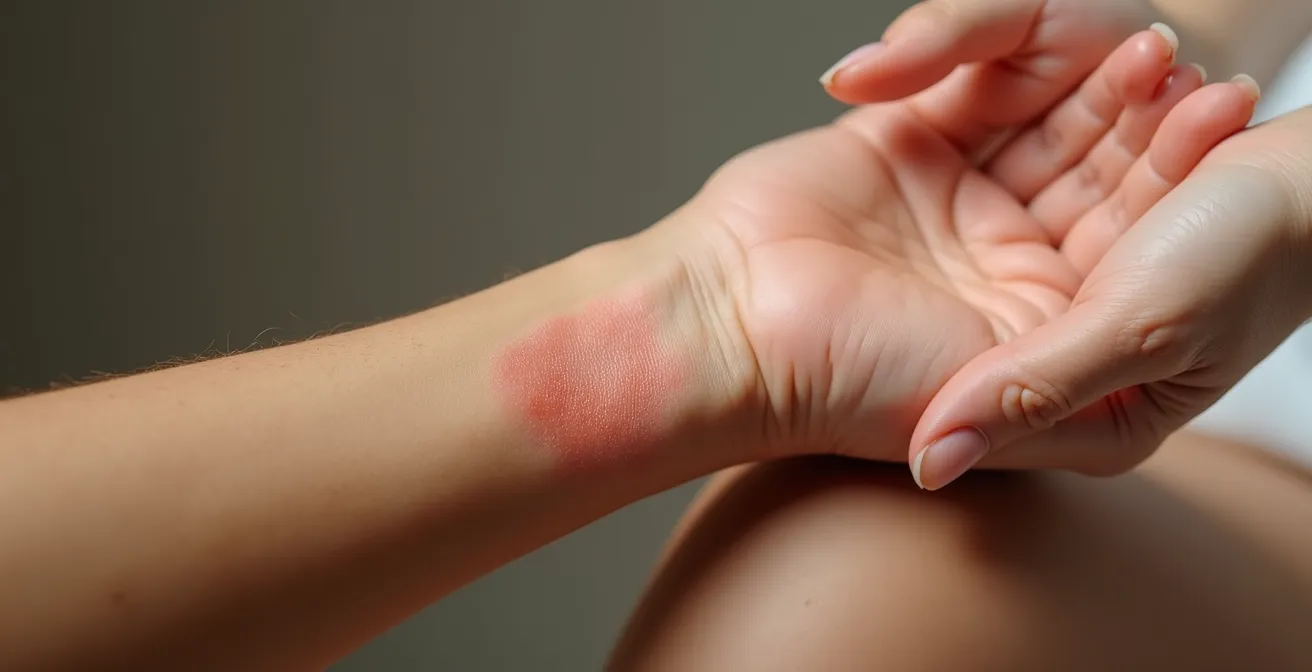
When your body detects these micro-tears, it triggers an inflammatory response to repair the damage. If you scrub daily, you are initiating this inflammatory cascade every single day, never giving your skin a chance to fully heal. This chronic inflammation can manifest as persistent redness, sensitivity, and a weakened barrier that is more susceptible to environmental damage and dehydration. Instead of achieving a healthy glow, you are trapping your skin in a cycle of injury and repair, which can accelerate aging and worsen conditions like rosacea and acne.
For exfoliation, the protective approach is to opt for gentle chemical exfoliants (like lactic or mandelic acid) used sparingly (1-3 times a week) or a very soft washcloth. The goal is to gently encourage cell turnover, not to sandblast your skin into submission.
Hyaluronic Acid vs Glycerin: Which Humectant Holds Moisture Best in Dry Climates?
While we’ve established the importance of humectants in hydrating the skin, not all are created equal, especially when environmental conditions are challenging. Hyaluronic acid (HA) has been marketed as the gold standard for hydration, but in very dry climates, it can sometimes backfire. This is where a classic, less glamorous humectant, glycerin, often proves superior for true barrier support.
Both HA and glycerin are humectants, meaning they attract and bind water. However, they function differently based on the moisture available in the air. Hyaluronic acid is highly dependent on ambient humidity. In a humid environment, it pulls moisture from the air and draws it into your skin, providing a wonderful plumping effect. But in a dry climate (or a heated indoor space), where there’s little moisture in the air, HA can’t pull from the environment. Instead, as the experts at Chemist Confessions warn, ” In a dry environment…Hyaluronic Acid…can pull moisture from the deeper layers of the skin to the surface, where it then evaporates.” This process can paradoxically lead to more dehydration.
This is where glycerin shines. As a smaller molecule that is less dependent on air humidity, glycerin is more effective at holding onto water within the skin and preventing it from evaporating, even in dry conditions. It also has the added benefit of helping to organize the lipid structures in the skin barrier, actively contributing to its function. The following table breaks down their key differences in the context of a dry environment.
| Property | Hyaluronic Acid | Glycerin |
|---|---|---|
| Humidity dependence | High – requires ambient moisture | Low – less dependent on air humidity |
| Risk in dry climates | Can pull water from dermis | Minimal transepidermal dehydration |
| Molecular weight | Variable (50-2000 kDa) | Small (92 Da) |
| Barrier function | Primarily hydrating | Helps organize lipid structures |
| Occlusive needed | Essential in dry climates | Beneficial but less critical |
This doesn’t mean hyaluronic acid is “bad.” It’s a fantastic ingredient when used correctly. However, for those with a compromised barrier or living in dry climates, glycerin is often a safer and more reliable choice for deep, lasting hydration. For maximum benefit with HA in a dry climate, it’s crucial to apply it to damp skin and immediately seal it in with an occlusive moisturizer to prevent moisture from being pulled from the skin and evaporating.
Now that you understand the complex science behind a healthy skin barrier, the next logical step is to apply this knowledge to your own routine. By making conscious choices about your products and techniques, you can move away from damaging habits and build a truly resilient and radiant complexion.