Travel & Discovery
Travel has evolved far beyond simply visiting new places. Today’s explorers seek authentic experiences that connect them with nature, culture, and communities in ways that leave positive impacts. Whether venturing into remote wilderness, uncovering hidden urban treasures, or immersing yourself in local traditions, the journey itself becomes a transformative experience when approached with intention and awareness.
This comprehensive resource explores the fundamental pillars of meaningful travel. From preparing for wilderness adventures and navigating urban exploration to connecting genuinely with local communities and practicing ethical tourism, understanding these core concepts empowers you to travel with confidence, respect, and purpose. Each dimension of travel presents unique opportunities and challenges that, when navigated thoughtfully, enrich both your journey and the destinations you visit.
Why Wilderness Exploration Demands Preparation and Responsibility
Venturing into natural environments offers unparalleled opportunities for discovery, but the wilderness operates by its own rules. Unlike controlled urban settings, remote areas present unpredictable variables that require both physical preparation and environmental awareness.
Understanding Leave No Trace Principles
The foundation of responsible wilderness travel rests on Leave No Trace ethics, a framework designed to minimize human impact on natural ecosystems. These principles extend beyond simply packing out trash—they encompass campsite selection, waste disposal, wildlife interactions, and trail etiquette. For instance, camping at least 200 feet from water sources protects riparian habitats, while staying on established trails prevents soil erosion and vegetation damage. Each decision you make in the backcountry creates either a positive or negative ecological footprint.
The Consequences of Under-Preparation
Under-preparation in wilderness settings can escalate from minor inconvenience to life-threatening emergency with alarming speed. Consider the hiker who underestimates water needs on a desert trail, or the backpacker whose inadequate rain gear leads to hypothermia. Risk assessment begins long before you hit the trail, requiring honest evaluation of your skills, fitness level, and equipment. Research shows that most wilderness emergencies stem not from extraordinary circumstances, but from ordinary mistakes compounded by lack of preparation.
Strategic Destination Selection and Timing
Choosing the right wilderness destination involves matching your experience level with terrain difficulty while considering seasonal conditions. A trail that’s moderate in summer may become treacherous during shoulder seasons when snow patches linger or river crossings swell with melt. Optimal timing also considers crowd levels—visiting during off-peak periods enhances solitude while reducing environmental pressure on popular areas. Additionally, pack weight optimization transforms multi-day treks from endurance tests into enjoyable journeys, with experienced backpackers typically targeting base weights between fifteen and twenty pounds.
Urban Exploration: Uncovering Hidden Layers of Cities
Cities contain countless hidden narratives written in architecture, forgotten spaces, and overlooked details. Urban exploration reveals these layers, transforming familiar streets into rich historical texts waiting to be read. However, this pursuit requires balancing curiosity with respect for legal boundaries and safety considerations.
Discovering Historical Contexts
Every city possesses a palimpsest of history—visible traces of previous eras layered beneath modern surfaces. Abandoned railway lines reveal former transportation networks, architectural details indicate changing aesthetic movements, and street names commemorate forgotten events. Learning to read these signs requires research into local archives, conversations with longtime residents, and attentive observation during walks. The most rewarding discoveries often hide in plain sight: a cornerstone date, a ghosted advertisement on brick walls, or unusual building materials that indicate different construction periods.
Navigating Legal and Safety Boundaries
Urban exploration exists in a complex legal landscape. While photographing from public spaces remains protected in most jurisdictions, entering abandoned structures raises trespassing concerns and serious safety risks. Structural instability poses genuine danger—floors weakened by water damage, asbestos insulation, and unstable staircases create hazards that far outweigh potential discoveries. Responsible urban explorers research property ownership, seek permission when possible, and recognize that some spaces should remain off-limits regardless of their photographic appeal.
Photography in Challenging Light Conditions
Urban environments present unique photographic challenges, particularly in low-light situations like interior spaces, night scenes, or shaded alleyways. Success requires understanding the relationship between aperture, shutter speed, and ISO. A tripod becomes essential for longer exposures, while learning to work with available light—window illumination, street lamps, or golden hour angles—produces more authentic results than harsh flash. Timing your visits around optimal lighting conditions, such as blue hour for cityscapes or overcast days for architectural details, dramatically improves photographic outcomes.
How to Connect Authentically with Local Communities
Genuine cultural immersion transcends tourist experiences, creating meaningful exchanges that benefit both travelers and host communities. This deeper connection requires intention, humility, and awareness of the fine line between appreciation and appropriation.
Breaking Through Language Barriers
Language differences need not prevent authentic connection. While learning basic phrases demonstrates respect, communication extends far beyond vocabulary. Non-verbal communication—smiling, gesturing, sharing meals—often conveys warmth more effectively than perfect grammar. Translation apps serve as helpful tools, but approaching interactions with patience and humor creates space for genuine human connection. Many travelers report their most memorable encounters occurred when language barriers forced creative communication and mutual effort.
Avoiding Cultural Appropriation
The distinction between cultural appreciation and appropriation centers on power dynamics, context, and consent. Appropriation occurs when elements of marginalized cultures become commodified or decontextualized for outsider consumption, particularly when communities receive no benefit or recognition. Thoughtful travelers seek to understand cultural practices within their proper contexts, participate only when genuinely invited, and avoid treating traditions as costumes or props. Ask yourself: Does my participation honor this practice, or does it serve primarily as entertainment or social media content?
Optimizing Accommodation Choices for Local Interaction
Where you stay profoundly influences your cultural access. International hotel chains offer predictable comfort but minimal local interaction, while homestays, guesthouses, or locally-owned accommodations create natural opportunities for exchange. These settings facilitate conversations over breakfast, recommendations for neighborhood spots tourists rarely find, and insights into daily rhythms of local life. The choice between comfort and immersion depends on your travel priorities, though many destinations now offer options that balance both considerations.
Timing Travel Around Cultural Events
Festivals, ceremonies, and seasonal celebrations offer windows into cultural identity and community values. However, responsible participation requires research into whether events welcome outside observers and how tourism affects traditional practices. Some celebrations maintain sacred significance that makes outsider presence inappropriate, while others actively invite cross-cultural sharing. Respectful attendance involves following dress codes, observing photography restrictions, and recognizing your role as guest rather than entitled spectator.
Why Ethical Tourism Matters More Than Ever
Tourism represents one of the world’s largest economic sectors, generating both opportunities and challenges for destination communities. Understanding the mechanics of tourism economics empowers travelers to direct their spending toward positive impacts rather than inadvertently contributing to harmful patterns.
Understanding Economic Leakage
Economic leakage occurs when tourism revenue flows out of destination communities rather than benefiting local residents. This happens when international corporations own hotels, imported goods fill restaurant menus, or all-inclusive packages minimize local spending. Studies suggest that in some destinations, less than twenty percent of tourism revenue remains in the local economy. Travelers can counter this pattern by choosing locally-owned businesses, eating at neighborhood restaurants, and purchasing directly from artisans rather than intermediary vendors.
Selecting Local Guides and Service Providers
Hiring local guides does more than ensure authenticity—it directs income to community members while providing employment opportunities in areas where options may be limited. Knowledgeable local guides offer perspectives and access that outside operators cannot match, sharing stories passed down through generations and navigating cultural nuances with innate understanding. When evaluating guide services, research whether companies employ local staff in leadership roles or simply use local labor for menial tasks while profits flow elsewhere.
The Voluntourism Question
Voluntourism—combining volunteer work with travel—promises meaningful contribution but often delivers problematic outcomes. Short-term unskilled volunteers rarely provide value matching their costs, particularly in contexts requiring expertise or long-term commitment. Well-intentioned projects can perpetuate dependency, displace local workers, or prioritize volunteer experience over community needs. Before committing to voluntourism, critically assess your actual skills, the organization’s local partnerships, and whether your participation genuinely serves community-identified priorities rather than creating feel-good moments for outsiders.
Homestays Versus Resorts: Different Impact Models
The accommodation spectrum reflects different economic and cultural impact models. Resorts concentrate tourism in controlled environments, potentially limiting cultural exchange but also containing environmental impacts and creating employment. Homestays and guesthouses distribute tourism benefits more directly to families but may introduce cultural pressures or privacy concerns for hosts. Neither model is inherently superior—the key lies in understanding tradeoffs and choosing options aligned with your values and the specific destination context.
Benefits of Off-Season Travel
Traveling during shoulder or off-peak seasons benefits both visitors and destinations. Lower prices represent the obvious advantage, but deeper rewards include reduced crowding at popular sites, more availability for local guides and services, and decreased environmental pressure on fragile ecosystems. Off-season travel also provides more authentic glimpses of daily life undistorted by peak tourism infrastructure. Communities appreciate visitors who support year-round economic stability rather than concentrating exclusively during already-crowded peak periods.
Travel becomes most rewarding when approached as an ongoing education rather than a series of collected experiences. By understanding wilderness ethics, urban complexity, cultural sensitivity, and economic impacts, you transform from passive consumer to engaged participant. Each journey offers opportunities to learn, connect, and contribute—the depth of those experiences depends entirely on the awareness and intention you bring to your adventures.
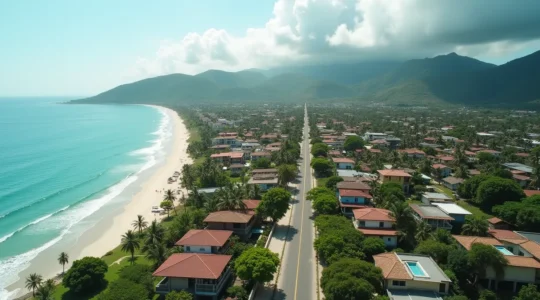
How to Ensure Your Tourist Dollars Truly Benefit the Local Community?
True ethical tourism isn’t just about buying local; it’s a financial strategy to disrupt the systems that siphon up to 80% of tourist money away from local economies. All-inclusive resorts and global booking platforms often repatriate profits, minimizing local benefit…
Read more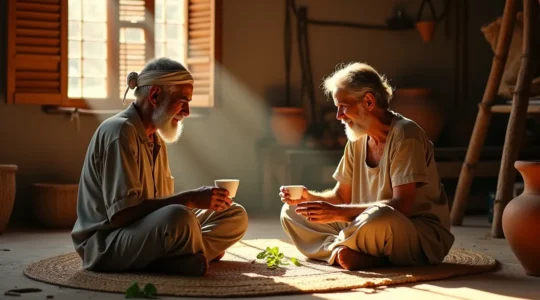
Tourist vs Traveler: How to Transition from Sightseeing to Connecting?
The shift from tourist to traveler isn’t about changing your itinerary, but about fundamentally changing your mindset from consumer to participant. True connection is built on a framework of reciprocity and what can be called “narrative humility”—the active dismantling of…
Read more
Why Are Abandoned Buildings More Historically Telling Than Museums?
We often think of abandoned buildings as empty shells, voids where history used to be. The truth is far more profound. These spaces are not silent; they are active historical documents where the very process of decay, neglect, and reclamation…
Read more
Why Does Spending Time in Unspoiled Nature Lower Blood Pressure?
Spending time in unspoiled nature is more than just a mental break; it’s a direct biochemical intervention that actively lowers blood pressure, reduces stress hormones, and boosts your immune system. Trees release airborne chemicals (phytoncides) that have been shown to…
Read more