Lifestyle & Leisure
Modern life presents a fascinating paradox: while technology offers unprecedented opportunities for entertainment and connection, our bodies and minds still crave the fundamental elements that sustained human wellbeing for millennia. The intersection of lifestyle and leisure has evolved far beyond simple recreation—it now encompasses how we move our bodies, how we engage with digital experiences, and how we maintain our connection to the natural world.
Understanding these three pillars—physical fitness, immersive technology, and nature engagement—isn’t about choosing one over another. Rather, it’s about recognizing how each contributes uniquely to your overall quality of life. Whether you’re curious about optimizing your workout routine, exploring virtual reality safely, or harnessing the therapeutic power of outdoor time, the foundation remains the same: intentional choices grounded in evidence-based practices.
This comprehensive exploration will equip you with practical knowledge across these interconnected domains, helping you make informed decisions that align with your personal wellness goals and lifestyle preferences.
Building Cardiovascular Health Through Strategic Movement
The fitness industry often emphasizes aesthetic outcomes—visible muscles, weight loss, body transformation. Yet the most profound benefits of regular physical activity occur beneath the surface, within your cardiovascular system. Your heart, arteries, and circulatory network respond to exercise in ways that extend far beyond appearance.
Why Arterial Health Matters More Than Mirror Metrics
Think of your arteries as flexible tubes that expand and contract with each heartbeat. This property, called arterial elasticity, naturally declines with age—but regular cardiovascular exercise can slow this process significantly. When you engage in sustained aerobic activity, you’re essentially training your blood vessels to remain supple and responsive, reducing your risk of hypertension and related complications.
Studies consistently show that individuals who prioritize cardiovascular conditioning experience better long-term health outcomes than those focused solely on aesthetic goals. A person with moderate muscle definition but poor aerial health faces greater health risks than someone carrying extra weight but maintaining excellent cardiovascular fitness.
Progressive Overload: The Foundation of Adaptation
Your body adapts to stress through a principle called progressive overload—gradually increasing the demands you place on your muscles and cardiovascular system. This doesn’t mean pushing to exhaustion every session. Instead, consider these approaches:
- Incrementally increasing distance, duration, or intensity over weeks rather than days
- Adding resistance or complexity to movements you’ve already mastered
- Varying your training stimulus to challenge different energy systems
- Incorporating adequate recovery periods to allow physiological adaptation
Functional Fitness Versus Aesthetic Training
The distinction between functional fitness and aesthetic-focused training lies in intent and application. Functional training emphasizes movements that translate to real-world activities—carrying groceries, climbing stairs, maintaining balance, lifting objects safely. Aesthetic training isolates specific muscle groups to create particular visual effects.
Neither approach is inherently superior, but understanding the difference helps you align your training with your actual goals. Someone preparing for active travel might prioritize functional leg strength and endurance, while a bodybuilder preparing for competition focuses on muscle symmetry and definition. Recognizing the risk of overtraining—where recovery can’t keep pace with training stress—becomes crucial regardless of your chosen approach.
Navigating Virtual Reality and Immersive Digital Experiences
Virtual reality has transitioned from science fiction novelty to accessible leisure technology, offering experiences ranging from gaming and social interaction to meditation and virtual travel. However, this powerful medium requires thoughtful engagement to maximize benefits while minimizing potential drawbacks.
Selecting Appropriate Hardware for Your Needs
Choosing the right VR headset involves balancing several factors beyond price. Visual clarity depends on resolution, lens quality, and the distance between your eyes and the display. A headset with lower resolution but better optical design may deliver a clearer experience than a high-resolution device with poor lens configuration.
Consider these practical elements when evaluating options:
- Weight distribution and comfort during extended sessions
- Compatibility with your existing hardware or standalone functionality
- Field of view and how it affects your sense of presence
- Refresh rate, which influences both immersion quality and motion comfort
Creating a Safe Physical Environment
The immersive nature of VR creates a unique safety challenge—you cannot see your actual surroundings while engaged in virtual environments. Setting up a dedicated play space prevents injuries and property damage. Clear an area extending at least one meter beyond your arm’s reach in all directions, removing furniture corners, fragile objects, and tripping hazards.
Mark your boundaries with rugs or floor tape that you can feel underfoot, providing tactile feedback before you reach walls or obstacles. Always use the guardian or boundary systems built into your VR software, and consider investing in protective accessories for both your headset and your physical space.
Understanding Immersion’s Psychological Impact
The psychological effect of immersion represents both VR’s greatest strength and its primary consideration. When your brain accepts a virtual environment as “real,” you experience genuine emotional responses—excitement during action sequences, relaxation in calming environments, or anxiety in tense situations.
This powerful sense of presence makes VR uniquely effective for certain applications, from exposure therapy to skills training. However, it also means timing your sessions appropriately. Extended VR use can lead to temporary disorientation, eye strain, or motion discomfort in susceptible individuals. Starting with shorter sessions—perhaps fifteen to twenty minutes—allows your sensory system to adapt gradually.
Reconnecting With Nature for Mental and Physical Wellness
As digital experiences become increasingly sophisticated and engaging, the human need for nature connection hasn’t diminished—if anything, it’s become more critical. Regular outdoor exposure provides benefits that no indoor environment, regardless of sophistication, can fully replicate.
The Science of Natural Environments and Mental Clarity
When you spend time in forests or natural settings, you’re exposed to airborne compounds called phytoncides—organic chemicals that trees and plants release as part of their defense systems. Research indicates that breathing these compounds may reduce stress hormones, lower blood pressure, and enhance immune function.
Beyond specific biochemical effects, natural environments provide what researchers call “soft fascination”—gentle sensory engagement that allows your directed attention systems to rest and recover. Unlike the constant demands of urban environments or digital interfaces, watching clouds drift or leaves rustle in wind engages your attention without depleting it.
Incorporating Nature Into Urban Life
Living in a city doesn’t preclude nature connection—it simply requires more intentionality. Even small doses of natural exposure provide measurable benefits. Consider these practical approaches for incorporating nature into urban settings:
- Identify nearby parks, gardens, or green corridors you can access during lunch breaks or after work
- Create morning or evening walking routes that prioritize tree-lined streets over concrete corridors
- Tend indoor plants, particularly varieties that improve air quality and provide visual connection to living systems
- Visit botanical gardens, arboretums, or nature preserves during weekends for more intensive nature exposure
Active Versus Passive Outdoor Engagement
The distinction between active and passive outdoor time influences the benefits you receive. Active engagement—hiking, cycling, outdoor sports—combines physical exertion with nature exposure, delivering both cardiovascular benefits and mental restoration. Passive time—sitting in a park, reading under trees, observing wildlife—provides psychological restoration without physical intensity.
Both approaches have value, and neither should completely replace the other. Someone with a physically demanding job might prioritize passive outdoor restoration, while someone working at a desk might need active outdoor movement to balance sedentary hours.
Addressing Vitamin D Deficiency and Seasonal Patterns
Sunlight exposure triggers Vitamin D synthesis in your skin, supporting bone health, immune function, and mood regulation. However, factors including latitude, season, skin pigmentation, and time spent outdoors dramatically influence your Vitamin D status. People living in northern latitudes face particular challenges during winter months when sun angle and daylight duration decrease substantially.
Beyond Vitamin D, reduced daylight exposure can trigger seasonal affective disorder (SAD) in susceptible individuals. Strategic timing for SAD prevention involves maximizing outdoor time during available daylight hours, particularly morning light exposure, which helps regulate your circadian rhythm. Even on overcast days, outdoor light intensity exceeds indoor artificial lighting by a significant margin, making brief outdoor breaks valuable even when the sun isn’t visible.
Balancing modern leisure activities with timeless human needs creates a sustainable approach to wellbeing. Whether you’re optimizing your fitness routine, exploring immersive digital experiences safely, or prioritizing regular nature contact, the underlying principle remains constant: intentional engagement informed by understanding. Each element—physical movement, technological recreation, and natural connection—contributes uniquely to a life well-lived.

Why Does “Forest Bathing” Reduce Anxiety More Than Urban Walks?
The profound anxiety reduction from forest bathing isn’t simply about “fresh air”; it’s a measurable biochemical dialogue between your body and the natural environment. Trees release airborne chemical compounds (phytoncides) that directly enhance immune function and reduce stress hormones. Nature’s…
Read more
Cardio vs Weights: Which Is More Effective for Long-Term Heart Health?
Contrary to popular belief, the key to lifelong heart health isn’t choosing between cardio and weights; it’s understanding their unique and synergistic roles. Aerobic exercise is non-negotiable for maintaining vascular compliance—keeping your arteries flexible and responsive. Resistance training builds and…
Read more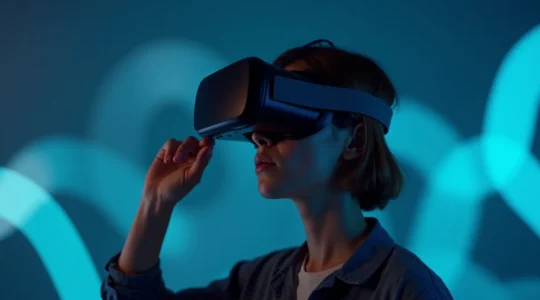
The Real Reason VR Causes Motion Sickness and How to Finally Fix It
In summary: VR motion sickness is caused by “sensory dissonance,” a conflict between what your eyes see (movement) and what your inner ear feels (stillness). Overcoming it involves strategic management, not just enduring discomfort. Key hardware settings like IPD and…
Read more