Fashion & Style
Fashion and style represent far more than the clothes we wear each morning. They serve as a visual language through which we communicate identity, values, and intentions to the world around us. Whether you’re dressing for a critical business presentation, a casual weekend gathering, or simply your daily routine, the choices you make about clothing, accessories, and overall presentation carry psychological weight and practical consequences that extend well beyond aesthetics.
Understanding the foundational principles of fashion and style empowers you to make intentional decisions that align with who you are and who you aspire to become. This comprehensive exploration examines the psychological mechanisms behind wardrobe choices, strategic approaches to building a functional collection, the science of fit and proportion, creative styling techniques, and investment strategies that balance quality with value. By mastering these interconnected elements, you’ll develop a personal style that feels authentic, serves your lifestyle, and evolves naturally with your changing needs.
The Psychology Behind Your Wardrobe Choices
The relationship between clothing and mental state operates as a bidirectional influence. What you wear affects how you think and feel, while your internal psychological state often drives your sartorial selections. This phenomenon, known as enclothed cognition, demonstrates that specific garments can measurably alter cognitive processes and self-perception.
How Clothing Shapes Identity and Performance
Research consistently shows that wearing certain types of clothing activates associated psychological states. A structured blazer might enhance feelings of authority and competence, while comfortable athleisure can promote a relaxed, creative mindset. The key lies in aligning your wardrobe with your psychological identity—the internal conception of who you are and how you want to move through the world. When external presentation matches internal identity, you experience greater confidence and authenticity.
Authentic Versus Adapted Style
One common challenge involves distinguishing between authentic personal style and adapted choices made to meet external expectations. Authentic style emerges from genuine preferences, values, and lifestyle needs. Adapted style, by contrast, represents conformity to perceived social requirements or aspirational identities that don’t truly resonate. While some adaptation proves necessary in professional contexts, over-reliance on adapted choices creates dissonance and discomfort. The goal is finding balance—honoring your authentic preferences while making strategic adjustments when circumstances genuinely warrant them.
Color Psychology and Strategic Application
Color carries profound psychological associations that influence both wearer and observer. Deeper blues often project trustworthiness and stability, making them popular in business settings. Reds convey energy, confidence, and sometimes urgency. Neutrals provide versatility and sophistication, while brighter hues signal creativity and approachability. Understanding these associations allows you to deploy color strategically, using it to reinforce the message you want to communicate in specific contexts while remaining true to colors that genuinely resonate with your personality.
Building a Strategic and Sustainable Wardrobe
A functional wardrobe requires thoughtful planning rather than impulsive accumulation. Strategic wardrobe building begins with honest assessment, continues through intentional acquisition, and maintains itself through regular evaluation and care.
The Wardrobe Audit Process
Conducting a comprehensive wardrobe audit provides essential clarity about what you actually own, wear, and need. This process involves removing everything from your closet, examining each piece, and making honest decisions about its place in your current life. Ask yourself: Does this fit properly? Have I worn it in the past year? Does it align with my current lifestyle and identity? Items that no longer serve you create visual clutter and decision fatigue. A thorough audit typically reveals surprising patterns—perhaps you own seven similar black tops but lack appropriate options for specific recurring situations.
Avoiding the Aspirational Shopping Trap
Aspirational shopping occurs when you purchase items for an imagined future self rather than your actual current life. That cocktail dress for parties you never attend, those uncomfortable heels for a lifestyle you don’t lead, or that complicated statement piece that requires circumstances you rarely encounter—these represent common aspirational purchases. While some forward-looking acquisition makes sense during genuine life transitions, most aspirational buying creates closet clutter and financial waste. Ground purchases in current reality, buying for the life you actually live at least eighty percent of the time.
Timing Your Style Evolution
Personal style naturally evolves as you move through different life phases, career stages, and personal development. Rather than forcing dramatic reinvention or resisting necessary change, approach style evolution intentionally. Seasonal transitions provide natural checkpoints for gradual wardrobe adjustments. Similarly, significant life changes—career shifts, relocations, or personal milestones—warrant thoughtful reassessment of whether your current wardrobe still serves your needs. Evolution works best as gradual refinement rather than abrupt overhaul, allowing you to maintain continuity while incorporating fresh elements.
Mastering Fit, Proportion, and Body Intelligence
Even the most beautiful garment fails when fit proves inadequate. Understanding how clothing should interact with your body represents one of the most valuable style skills you can develop. Proper fit enhances comfort, flatters your natural proportions, and projects polish regardless of price point.
Structure and posture share an intimate connection—well-fitted clothing with appropriate structure can actually encourage better posture, while proper posture makes virtually any garment look more refined. Shoulders should align with natural shoulder points without pulling or excess fabric. Sleeves should allow comfortable movement while ending at the appropriate wrist point. Trousers should sit comfortably at the natural waist or intended rise point without gapping or straining.
Dressing for your specific body shape doesn’t mean following rigid rules, but rather understanding proportional balance. If you carry more visual weight in your lower body, balancing with strategic detailing or structure on top creates harmonious proportion. Those with broader shoulders might choose bottom pieces with more visual interest to distribute attention. The goal isn’t minimizing or hiding, but creating balanced silhouettes that feel comfortable and confident.
Physical discomfort represents a legitimate reason to reconsider a garment, regardless of how it looks. Restrictive waistbands, scratchy fabrics, shoes that cause pain, or overly tight shoulders all compromise your ability to move naturally through your day. Fabric weight also matters significantly—heavy materials might prove overwhelming on smaller frames, while very lightweight fabrics may not provide adequate structure where needed. True style accommodates your physical reality rather than fighting against it.
The Art of Styling and Personal Expression
Styling transforms individual garments into cohesive, expressive outfits. This creative process involves strategic detailing, focal point management, and thoughtful accessorizing that elevates basic combinations into memorable presentations.
Strategic Detailing and Focal Points
The focal point theory suggests that effective outfits direct the viewer’s eye to specific areas through strategic placement of visual interest. This might be a statement necklace drawing attention to your face, interesting footwear grounding an otherwise simple outfit, or a bold lip color creating a deliberate point of focus. Without conscious focal point creation, the eye wanders without landing anywhere memorable. Conversely, too many competing focal points create visual confusion—the risk of over-accessorizing. A useful guideline: choose one or two areas of emphasis per outfit, allowing other elements to support rather than compete.
Day-to-Night Transformation Techniques
The ability to transition outfits from professional daytime settings to evening social contexts provides tremendous practical value. Simple swaps accomplish this efficiently: exchanging a structured blazer for a sleek leather jacket, switching flats for heels, adding statement jewelry, or incorporating a bolder lip color. The base outfit remains similar, but thoughtful adjustments shift the overall mood and appropriateness. Planning outfits with transformation potential saves time and reduces the need to return home for complete changes.
Mixing Textures and Breaking Convention
Creative styling often involves fearlessly mixing textures—pairing soft cashmere with structured denim, combining sleek leather with flowing silk, or contrasting matte and shine finishes. These textural combinations add depth and visual interest that monochromatic or single-texture outfits often lack. Similarly, breaking traditional symmetry rules—wearing asymmetric hemlines, off-center details, or unexpected proportions—can create contemporary, fashion-forward looks. The key is maintaining intentionality; these choices should appear deliberate rather than accidental. The risk of looking “costumey” emerges when too many unconventional elements combine without cohesion, crossing from creative expression into visual chaos.
From Investment Pieces to Smart Shopping
Building a quality wardrobe requires understanding the relationship between cost, value, and longevity. Smart shopping isn’t about always buying the most expensive options or constantly seeking bargains, but rather making informed decisions that balance immediate cost with long-term value.
Calculating True Cost Per Wear
The cost-per-wear metric provides a more accurate assessment of value than initial price alone. A quality coat purchased for three hundred dollars but worn two hundred times over five years costs just $1.50 per wear. A trendy item bought for thirty dollars but worn only three times before falling apart or going out of style costs ten dollars per wear. This calculation helps justify investment in well-made essentials that serve your lifestyle repeatedly while cautioning against impulse purchases unlikely to see regular rotation. Track your actual wearing patterns honestly—theoretical versatility matters less than proven use.
Building on Enduring Principles Over Trends
Fast fashion trends create a perpetual cycle of acquisition and disposal, offering immediate gratification but long-term dissatisfaction and environmental cost. The trap of fast fashion extends beyond obvious trend pieces to affect so-called “trendy classics”—items marketed as timeless but incorporating subtle trend details that quickly date them. Building a wardrobe on enduring principles means prioritizing classic silhouettes, quality construction, and versatile colors as your foundation, then incorporating trend elements selectively through easily updated accessories or lower-cost pieces you don’t expect to last years.
Identifying Quality and Maintaining Value
Quality identification begins with fabric assessment. Natural fibers like wool, cotton, silk, and linen generally offer superior longevity and comfort compared to synthetic alternatives, though modern technical fabrics serve specific performance needs. Examine construction details: secure seams, functional buttonholes, substantial zippers, and quality stitching all indicate durability. Proper maintenance extends the life of quality pieces significantly. Following care instructions, storing items appropriately, addressing minor repairs promptly, and rotating pieces to prevent excessive wear all protect your investment and maintain the polished appearance that quality garments provide.
Fashion and style ultimately serve as tools for self-expression, confidence building, and practical daily function. By understanding the psychological dimensions of clothing choices, building strategic wardrobes that serve your actual life, mastering fit and proportion, developing creative styling capabilities, and making smart investment decisions, you create a personal style ecosystem that evolves naturally with you. The journey toward authentic, functional style is ongoing—each choice provides learning opportunities that refine your understanding of what works for your unique combination of body, lifestyle, values, and aesthetic preferences.
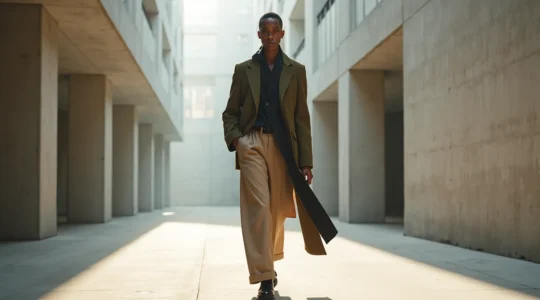
Deconstructed Fashion: A Guide to Wearing Intellectual Rebellion
Wearing deconstructed fashion isn’t about looking messy; it’s about speaking a sophisticated visual language of intentional imperfection. It transforms clothing from a simple covering into a piece of wearable art that challenges convention. Mastery comes from understanding the philosophy behind…
Read more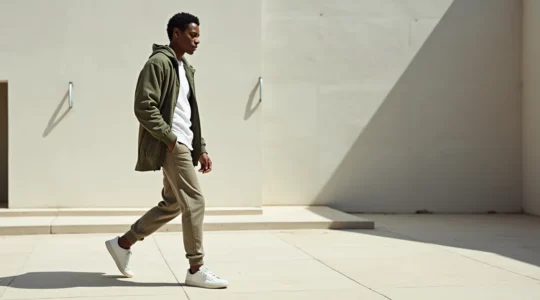
How to Style Joggers Without Looking Like You Just Rolled Out of Bed
The secret to elevated joggers isn’t a specific shoe or jacket; it’s mastering “Intentional Friction” by pairing them with pieces they seemingly shouldn’t go with. Focus on materials with “visual weight,” like heavy cotton, to provide structure. Create contrast by…
Read more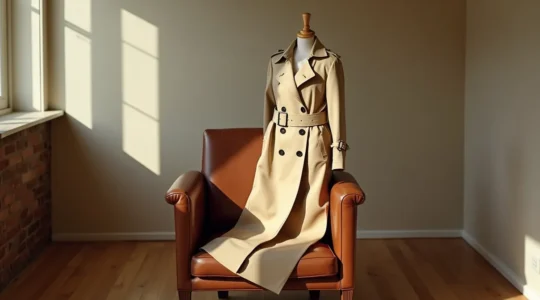
Why Does a Trench Coat Never Go Out of Style After 100 Years?
The trench coat’s timelessness isn’t about fashion trends; it’s a masterclass in enduring design principles that treat garments as long-term assets, not disposable goods. True classics are defined by their functional origin and material honesty, allowing them to gain character…
Read more
The “Power Suit” Effect: How Clothing Structure Physically Alters Your Body Language
The right clothing doesn’t just make you look more confident; it physically and psychologically rewires your presence from the inside out. Structured garments create a “postural feedback loop,” instinctively causing you to stand taller and project authority. This phenomenon, known…
Read more
Capsule Wardrobe vs Eclectic Style: Which Strategy Saves More Money?
Saving money on clothes isn’t about having a minimalist capsule or an eclectic wardrobe; it’s about mastering the financial metric of ‘Cost Per Wear’ (CPW). Fast fashion’s low initial price hides a disastrously high CPW due to being worn only…
Read more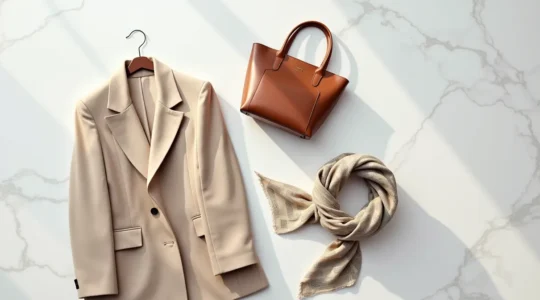
How to Use the “Rule of Three” to Elevate a Basic Outfit?
The secret to elevating a simple outfit isn’t adding more items; it’s creating a single, powerful focal point using the “Rule of Three.” Instead of counting pieces, focus on establishing a clear visual hierarchy with one “hero” accessory. Transform any…
Read more
Why Does Wearing “Trendy” Clothes That Don’t Fit Your Personality Lower Confidence?
Contrary to popular belief, a lack of confidence in your clothing doesn’t come from a poor fashion sense, but from the psychological friction between your internal identity and the story your outfit tells. The clothes we wear directly influence our…
Read more