The real danger in exfoliation isn’t necessarily physical scrubs, but the uncontrolled inflammation they can trigger.
- Chemical exfoliants (AHAs, BHAs, PHAs) offer a method of “controlled resurfacing” by dissolving the bonds between dead cells without mechanical friction.
- Even physical exfoliation can be safe when using smooth, uniform particles and a gentle technique, avoiding the chronic damage caused by daily scrubbing.
Recommendation: Shift your focus from aggressive “scrubbing” to providing gentle, consistent signals for skin renewal to maintain long-term barrier integrity.
The quest for smooth, radiant skin often leads to a key crossroads: chemical or physical exfoliation? For anyone with textured skin, the fear of doing more harm than good is real. You’ve likely heard the horror stories of abrasive scrubs causing microscopic injuries, or “micro-tears,” leaving the skin sensitized and prone to damage. This common concern pushes many towards chemical options, hoping for a safer path to skin renewal.
While the debate often pits harsh, gritty scrubs against sophisticated acid formulas, this black-and-white view misses the crucial point. The true enemy isn’t a specific product type; it’s the uncontrolled inflammation caused by improper technique and overuse. A poorly formulated or misused acid can be just as damaging as a jagged scrub particle. The goal should not be to simply avoid one category, but to master a method of controlled resurfacing that respects your skin’s delicate ecosystem.
But what if the key wasn’t about choosing a side, but about understanding the *mechanism* behind each method? The secret to preventing damage lies in shifting your mindset from aggressive removal to gentle signaling. It’s about prompting your skin to renew itself without triggering a defensive, inflammatory response. This guide will reframe the exfoliation debate, moving beyond the simple “chemical vs. physical” argument to give you a framework for achieving effective resurfacing while prioritizing the long-term health and integrity of your skin barrier.
This article provides a comprehensive comparison to help you understand the nuances of each exfoliation method. By exploring the underlying science, you can make an informed choice that prevents damage and promotes a truly healthy complexion.
Summary: Navigating the World of Exfoliation for Barrier Safety
- AHA or BHA: Which Acid Solves Your Specific Skin Concern?
- The “Daily Scrub” Mistake That Causes Chronic Inflammation
- How to Exfoliate the Nose Area Without Causing Redness?
- Why Are Fruit Enzymes Safer Than Acids for Sensitive Skin?
- When to Switch Exfoliants: Summer vs Winter Needs
- The “Squeaky Clean” Feeling Mistake That Destroys Your Microbiome
- The Danger of Dermaplaning at Home Without Proper Training
- Why Does Buildup of Dead Cells Cause Foundation to Look Cakey?
AHA or BHA: Which Acid Solves Your Specific Skin Concern?
Choosing the right chemical exfoliant starts with understanding the two main families of hydroxy acids: Alpha Hydroxy Acids (AHAs) and Beta Hydroxy Acids (BHAs). The key difference lies in what they dissolve in. AHAs are water-soluble, meaning they work on the surface of your skin. They are excellent for targeting concerns like fine lines, uneven texture, and hyperpigmentation from sun damage. Glycolic acid (the smallest AHA molecule, for deeper penetration) and lactic acid (a larger, more hydrating molecule) are the most common types.
BHAs, on the other hand, are oil-soluble. This unique property allows them to penetrate through the oil in your pores to exfoliate from within. Salicylic acid is the most prevalent BHA and is the gold standard for anyone with oily, acne-prone skin or stubborn blackheads. It helps to clear out pore congestion and has anti-inflammatory properties. For those with highly sensitive skin, a third category, Polyhydroxy Acids (PHAs), offers a gentler alternative. PHAs have a larger molecular structure, so they penetrate the skin more slowly, minimizing irritation. In fact, a clinical study confirmed that PHAs delivered a 17.1% improvement in sallowness compared to AHAs, with significantly less stinging.
As board-certified dermatologist Dr. Madeleine Gantz explains, this gentleness is also due to their inherent hydrating properties. She notes, “PHAs have additional humectant properties that create more hydration in the skin and limit the irritation seen with traditional AHAs/BHAs.” This makes them an ideal entry point into chemical exfoliation, providing effective resurfacing without compromising barrier comfort.
The “Daily Scrub” Mistake That Causes Chronic Inflammation
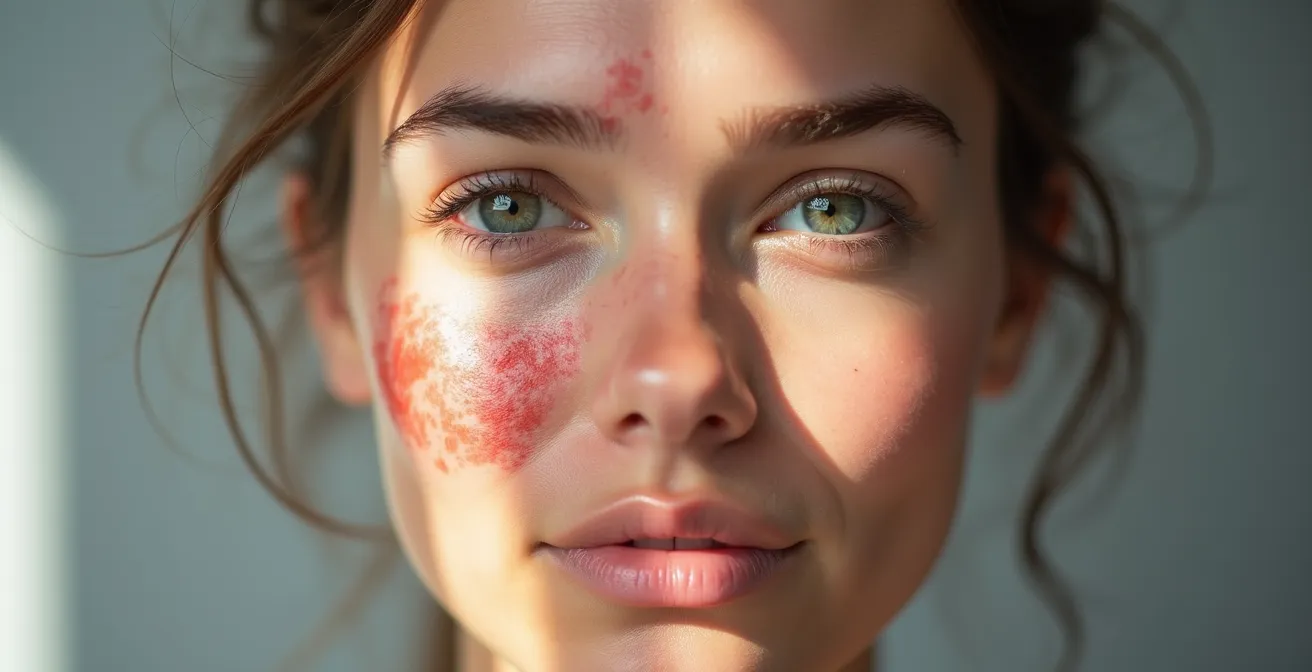
The satisfying grit of a physical scrub can feel productive, but the “more is more” approach is a primary cause of skin barrier damage. The common mistake of daily scrubbing, especially with harsh materials, is a direct path to chronic, low-grade inflammation. This happens because many scrubs use particles with sharp, irregular edges, like crushed nuts or seeds. As confirmed by dermatological experts, these can cause micro-tears in the skin, creating invisible wounds that trigger an inflammatory response.
When this process is repeated daily, the skin never has a chance to fully heal. It remains in a constant state of defense, leading to redness, sensitivity, and a compromised barrier that’s more vulnerable to environmental aggressors and moisture loss. This is the “uncontrolled inflammation” that stands in direct opposition to healthy skin renewal.
However, this doesn’t mean all physical exfoliation is harmful. The key is “controlled” application. This involves choosing the right tool and using it correctly. According to research from skincare experts, the ideal ingredients for a physical exfoliant are particles with a smooth, uniform surface, such as jojoba beads or fine sugar crystals, which polish the skin without scratching it. Furthermore, frequency is critical. Instead of daily scrubbing, limiting physical exfoliation to once or twice a week gives your skin ample time to recover and complete its renewal cycle, preventing the onset of chronic inflammation.
How to Exfoliate the Nose Area Without Causing Redness?
The nose is a common problem area, prone to clogged pores and blackheads, yet it’s also incredibly sensitive to aggressive treatments. Rubbing this area too hard with a physical scrub is a recipe for persistent redness and broken capillaries. The solution lies in using a targeted chemical approach that can dissolve congestion from within, rather than trying to force it out physically. This is where Beta Hydroxy Acids (BHAs) excel.
As research from Comfort Zone Skincare highlights, “BHAs, such as salicylic acid, are oil-soluble and penetrate deeper into the pores. This makes them a go-to option for individuals dealing with acne, clogged pores, or oily skin.” By dissolving the mix of sebum and dead skin cells that form blackheads, salicylic acid clears congestion without the need for friction, thus preventing the inflammation and redness that physical scrubs often cause in this delicate area.
However, even with the right ingredient, technique is paramount to avoid irritation. Properly preparing the skin can make the BHA even more effective while minimizing any potential for dryness or sensitivity. A gentle pre-treatment routine ensures the product can work efficiently on softened, receptive skin.
Your Action Plan: Safely Exfoliating the Nose
- Soften the Area: Apply a warm, damp compress to the nose for 2-3 minutes to help loosen sebum in the pores.
- Gentle Cleanse: Massage the area with a non-comedogenic oil cleanser for 60 seconds, then rinse thoroughly.
- Apply BHA: Pat the skin dry and apply a thin layer of your BHA product specifically to the nose area.
- Allow Penetration: Wait at least 30-60 seconds for the product to fully absorb before proceeding.
- Hydrate and Protect: Follow with a lightweight, soothing moisturizer to support the skin barrier and prevent dryness.
Why Are Fruit Enzymes Safer Than Acids for Sensitive Skin?
For those with highly reactive or sensitive skin, even the gentlest hydroxy acids can sometimes feel too intense. This is where fruit enzymes offer a uniquely gentle path to exfoliation. Unlike acids, which actively dissolve the bonds holding skin cells together, enzymes work more selectively. They primarily target and break down the keratin protein found only in the outermost layer of dead, ready-to-shed skin cells, leaving the healthy living cells beneath them untouched.
This targeted action makes them a much safer option for sensitive complexions. Common fruit enzymes used in skincare include papain (from papaya) and bromelain (from pineapple). Their mechanism is often compared to a “Pac-Man” effect, where they “eat away” only the dead surface debris without causing the tingling or potential irritation associated with acids. Research from dermatological experts suggests that enzymes can be a gentler alternative to AHAs and BHAs for those with easily compromised barriers.

Because enzymes are large molecules that do not penetrate deeply, the risk of over-exfoliation and inflammation is significantly lower. They provide a very superficial “polishing” effect that brightens the complexion and smooths texture without disrupting the skin’s deeper layers. This makes them an excellent choice for maintaining radiance between more intensive acid treatments or as a primary exfoliant for anyone whose skin cannot tolerate hydroxy acids.
When to Switch Exfoliants: Summer vs Winter Needs
Effective exfoliation isn’t a one-size-fits-all, year-round strategy. Your skin’s needs change with the seasons, and your choice of exfoliant should adapt accordingly to maintain barrier health. Environmental factors like humidity, UV exposure, and cold, dry air directly impact your skin’s condition, making one type of exfoliant more beneficial at certain times of the year.
During the summer, increased heat and humidity can lead to more oil production and clogged pores. This is an ideal time to lean on BHAs (salicylic acid), which excel at keeping pores clear. Conversely, winter air is often dry and stripping, which can dehydrate the skin and make it more sensitive. In this environment, a hydrating AHA like lactic acid is a better choice, as it exfoliates the surface while also helping the skin retain moisture. According to CeraVe’s dermatological research, this distinction is key: “salicylic acid is considered useful for targeting clogged pores and uneven skin texture, while AHAs (like glycolic acid) tend to focus their primary benefits around fine lines, wrinkles, and sun damage,” highlighting their suitability for different seasonal concerns.
Adjusting not just the type of acid but also the frequency is crucial for preventing irritation. Your skin may tolerate more frequent exfoliation in the humid summer months but require a significant reduction in the harsh winter. The following guide, based on an analysis of seasonal skincare needs, offers a practical framework for adapting your routine.
| Season | Recommended Acid | Reason | Frequency |
|---|---|---|---|
| Summer | BHA (Salicylic) | Controls oil, less photosensitizing | 2-3x weekly |
| Winter | AHA (Lactic) | Hydrating properties, combats dryness | 1-2x weekly |
| Pre-Vacation | Enzyme/PHA | Gentler, no photosensitivity | 2x weekly |
| Post-Sun | None | Allow barrier recovery | 0x – pause all |
The “Squeaky Clean” Feeling Mistake That Destroys Your Microbiome
The desire for a “squeaky clean” feeling is a deeply ingrained habit, but it’s one of the most damaging mistakes you can make for your skin’s health. That tight, stripped sensation is not a sign of cleanliness; it’s a distress signal from your skin barrier. It indicates that you have stripped away not just dirt and oil, but also the essential lipids and beneficial microorganisms that form your skin’s microbiome. This delicate ecosystem is your first line of defense against pathogens and environmental damage.
Over-exfoliation is a primary culprit in destroying this harmony. When you aggressively scrub or use multiple acids too frequently, you create an environment where beneficial bacteria cannot thrive. This weakens your skin’s natural defenses, leading to increased sensitivity, dehydration, and a higher likelihood of breakouts and irritation. The goal is to achieve balance, not sterility. A healthy skin barrier feels soft, hydrated, and comfortable, never tight or stripped.
This risk is amplified when combining different types of exfoliants without proper knowledge. For instance, using a physical scrub in the morning and a strong AHA at night can easily overwhelm the skin’s recovery capacity. Clinical data from the Journal of Cosmetic Science shows that this kind of aggressive layering increases barrier disruption risks by 63%. This constant assault prevents the microbiome from re-establishing itself, leading to the very inflammation and texture issues you were trying to solve in the first place.
The Danger of Dermaplaning at Home Without Proper Training
Dermaplaning has surged in popularity as a method of physical exfoliation that removes both dead skin cells and vellus hair (“peach fuzz”). When performed by a licensed professional, it can leave the skin exceptionally smooth. However, the trend of at-home dermaplaning presents significant risks that are often downplayed. The primary danger lies in the difference between a professional-grade, sterile scalpel and the consumer-grade tools sold online, as well as the lack of professional training.
As board-certified dermatologist Dr. Alison Moseley explains, professional “dermaplaning uses a special exfoliating knife to remove dead skin cells and fine hairs from the top layer of skin.” The key is the technique: a trained esthetician or dermatologist holds the blade at a precise 45-degree angle, using light, feathery strokes on taut skin. This requires skill and practice to execute safely. Without this training, it’s incredibly easy to apply incorrect pressure or use the wrong angle, leading to nicks, cuts, and serious irritation. These injuries are far more significant than micro-tears and can lead to infection or post-inflammatory hyperpigmentation.

Furthermore, the sterile environment of a clinic is impossible to replicate at home, increasing the risk of introducing bacteria into freshly exfoliated, vulnerable skin. While experts note that professional dermaplaning results can last for upwards of 3 weeks, these results are tied to the safety and efficacy of a controlled, clinical procedure. Attempting this advanced technique at home is a high-stakes gamble with your skin barrier, transforming a controlled resurfacing method into a source of uncontrolled injury.
Key Takeaways
- The true goal is “controlled resurfacing” to signal skin renewal, not aggressive scrubbing that causes inflammation.
- Chemical exfoliants (AHAs, BHAs, PHAs) and enzymes offer targeted action, while physical scrubs require smooth particles and infrequent use to be safe.
- Listen to your skin: a “squeaky clean” feeling is a sign of a damaged barrier, and your exfoliation strategy should adapt to seasonal changes.
Why Does Buildup of Dead Cells Cause Foundation to Look Cakey?
The secret to a flawless foundation application has less to do with the makeup itself and more to do with the canvas underneath: your skin. When foundation looks “cakey,” patchy, or settles into fine lines, the primary culprit is often an accumulation of dead skin cells on the surface. Your skin is a dynamic organ in a constant state of renewal. In fact, dermatological research indicates that your body sheds around 200,000,000 dead skin cells every single hour. When this natural shedding process, known as desquamation, slows down, these cells build up.
This layer of dead cells creates an uneven, rough texture. When you apply foundation over it, the makeup clings to the dry, flaky patches instead of blending seamlessly onto smooth skin. The result is a finish that looks heavy and uneven, emphasizing texture rather than concealing it. No amount of blending can fix a problem that originates at the cellular level.
This is where controlled exfoliation becomes a game-changer for makeup wearers. By gently and consistently removing this excess layer of dead cells, you create a smooth, polished surface. As research highlights, regular exfoliation not only improves uneven texture but may also stimulate the production of collagen, which makes skin appear firmer and softer. Light reflects more evenly off a smooth surface, creating a natural luminosity that shines through your makeup. Foundation can then glide on effortlessly, requiring less product and resulting in a “skin-like” finish that looks natural and lasts longer throughout the day.
By shifting your perspective from harsh scrubbing to intelligent, controlled resurfacing, you can achieve the smooth, healthy complexion you desire without compromising the integrity of your skin barrier. Start by choosing the right exfoliant for your unique concerns and mastering the art of gentle, consistent application.